
Play
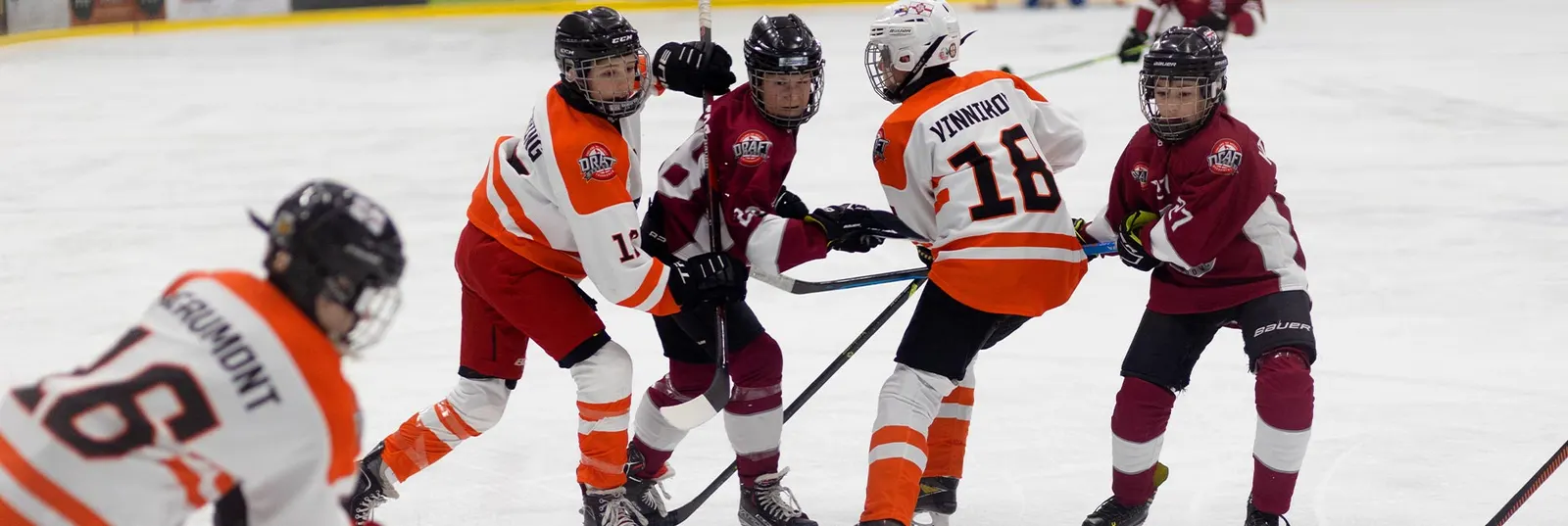
Ice hockey is one of the most thrilling sports on the planet, so it’s no wonder you’re interested in playing! Below are just some of the benefits of getting on the ice!
- Getting active and fit! Ice hockey is great for cardiovascular fitness, as well as improving coordination, strength, flexibility, agility and reflexes.
- Improved mental health. Exercise is proven to give you a mental boost and helps relieve stress and anxiety.
- Teamwork and social skills. When you play ice hockey, you are part of a team and community which helps improve communication and social skills.
- Discipline. Ice hockey has strict rules which helps instil discipline to keep all players safe on the ice.
- Inclusive! Clubs are welcoming and fun places to be, and we are strongly committed to equality, diversity and inclusion in ice hockey, which is why we offer various ways to get involved, including in Para Ice Hockey and SEND Ice Hockey.
We offer playing opportunities for juniors, seniors (men’s and women’s), recreational (community) players, Para (Sledge) players, SEND players and University students.
A beginner’s guide to ice hockey
Body checking
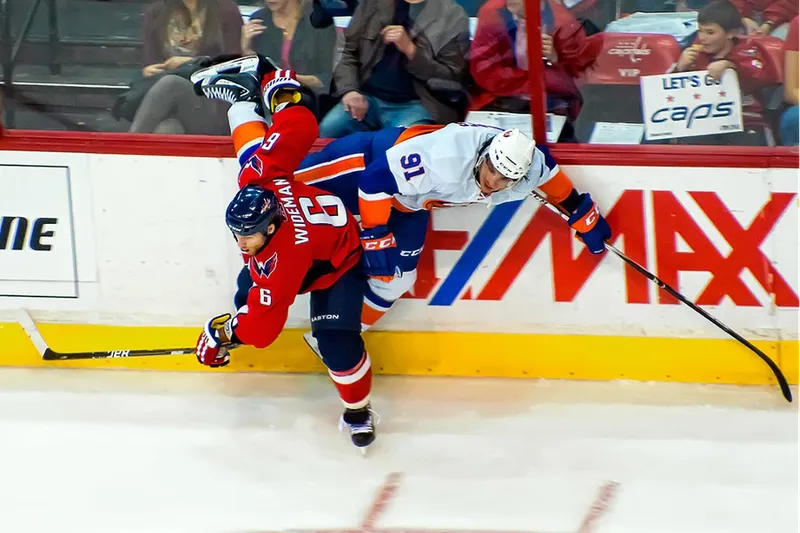
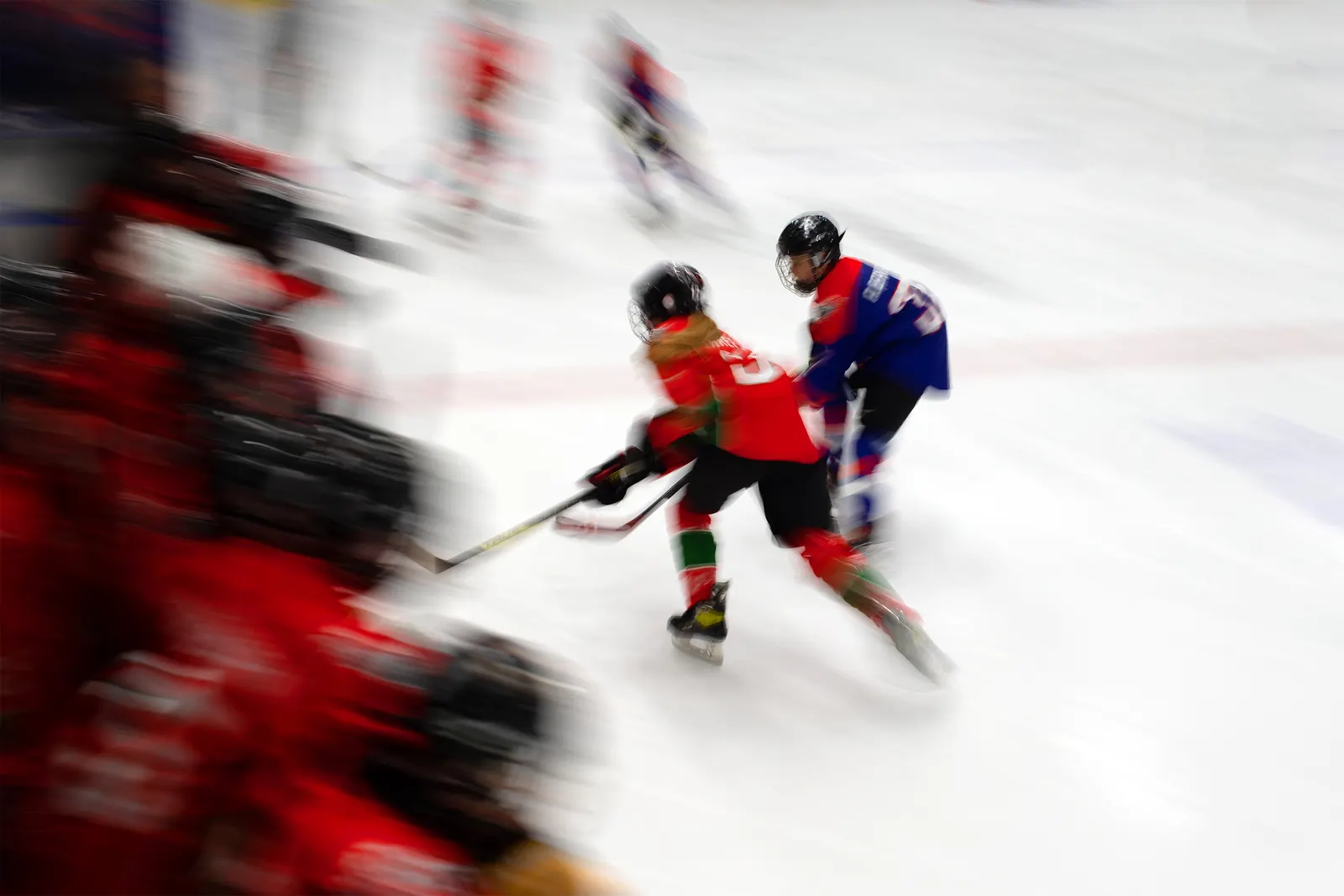
Body checking in ice hockey is a defensive technique aimed at disrupting an opponent with possession of the puck or separating the puck from the player entirely. Most types are not subject to penalty, and count as a legal check.
A player can use a shoulder, hip or torso to hit or impede an opponent, but only when the opponent is in possession of the puck. If a player does not have possession of the puck, it is interference, and the player will receive a penalty.
A body check that targets the head is illegal.
A body check to an opponent’s back is illegal if the opponent is facing the boards.
Major penalty
A player charged with a major penalty is sent off the ice for five minutes.
The most common major penalty is fighting. If both fighters receive five or ten-minute penalties, substitutions can be made.
At the referee’s discretion, an infraction commonly deemed a minor penalty can be increased to a major. This usually occurs if an opponent has been seriously injured, or if the referee believes there was a deliberate attempt to injure.
A player charged with a major penalty involving serious injury or attempt to injure is ejected from the game.
If a penalized player is ejected, a teammate is assigned to serve his major penalty. No substitution is allowed.
Minor penalties
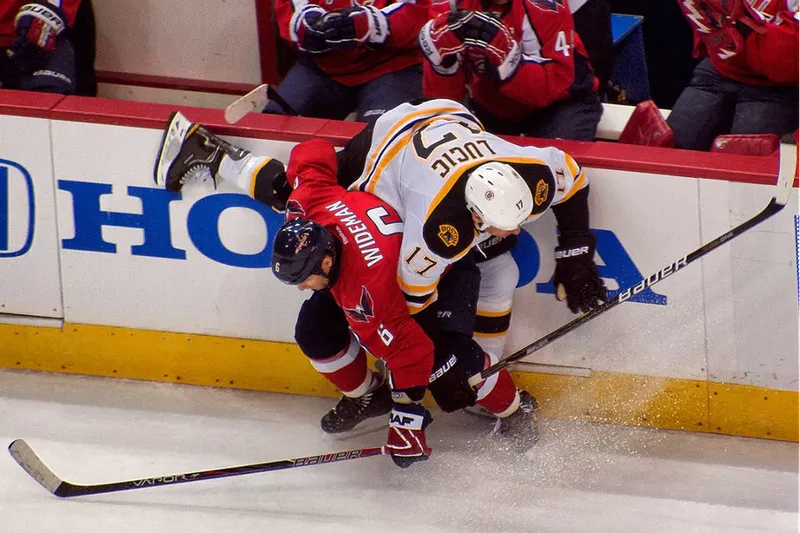
A player charged with a minor penalty is sent off the ice for two minutes, with no substitution allowed (power play).
Minor penalties are called for obstructing an opponent. Infractions include:
- Tripping (with the stick or knee)
- Holding (with stick or hands)
- Hooking (with stick)
- Interference (checking or impeding a player without the puck)
Penalties are called for dangerous use of the stick, including:
- Slashing
- Spearing
- High-sticking (hitting an opponent in the head or face)
- Cross-checking (hitting an opponent with the shaft of the stick)
Penalties are called for dangerous physical fouls, including:
- Elbowing
- Checking from behind
- Kneeing
- Roughing (broadly defined; usually involves a wrestling or shoving match)
Objectives
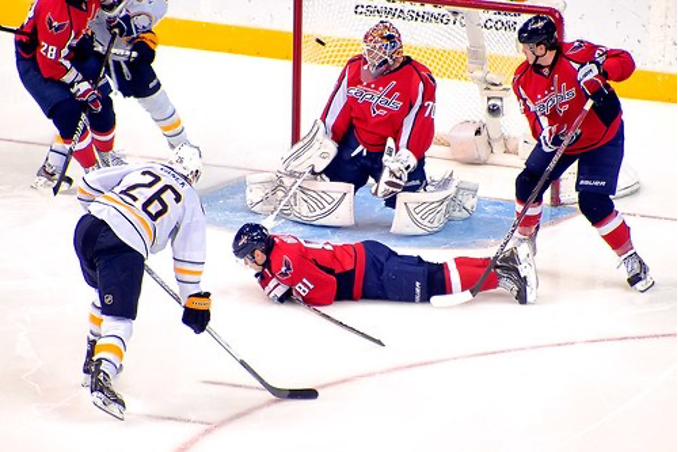
The objective is to score more goals than the opposing team.
A goal counts as one point on the scoreboard.
A goal can be scored by anyone on the ice, including the netminder.
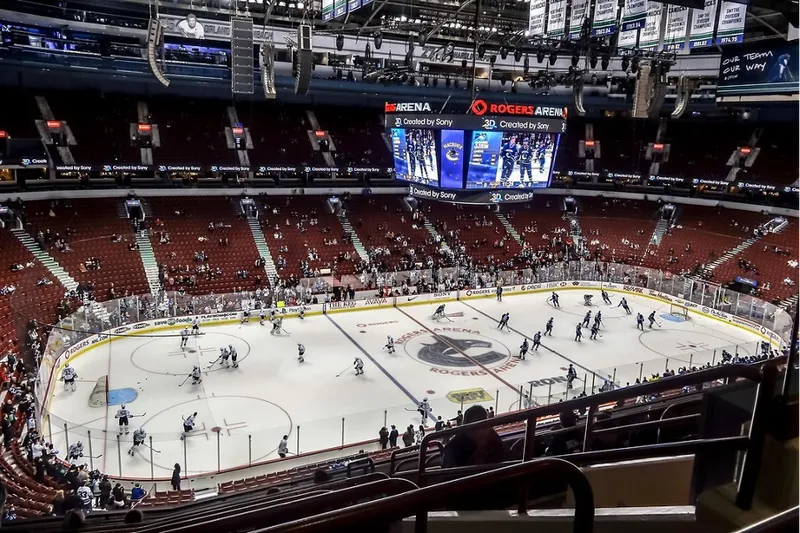
Player age groups
U10s - 2014 onwards
U12s- 2012 & 2013
U14s 2010 & 2011
U16s 2008 & 2009
U18s 2006 & 2007
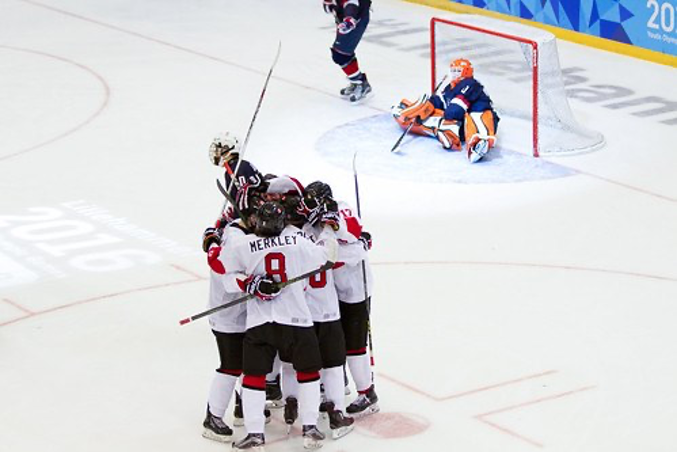
Players
Each team has six players on the ice, five "skaters" and one netminder.
The five "skaters" have assigned positions: three forwards and two defensemen.
Netminder - Their job is to prevent the ice hockey puck from entering their net.
Defence Players (left & right) - They are tasked with stopping the opposing forwards when their team does not have possession of the puck and providing offensive support when the team does have possession.
Forward Centre - Responsible for taking faceoffs (the way play starts and restarts after a goal) to regain possession and covering the centre of the ice at both ends of the rink.
Forward (left & right wing) - The wingers are responsible for play along the sides of the rink. They have some defensive responsibilities but are primarily relied upon as goal scorers.
Player Substitutions
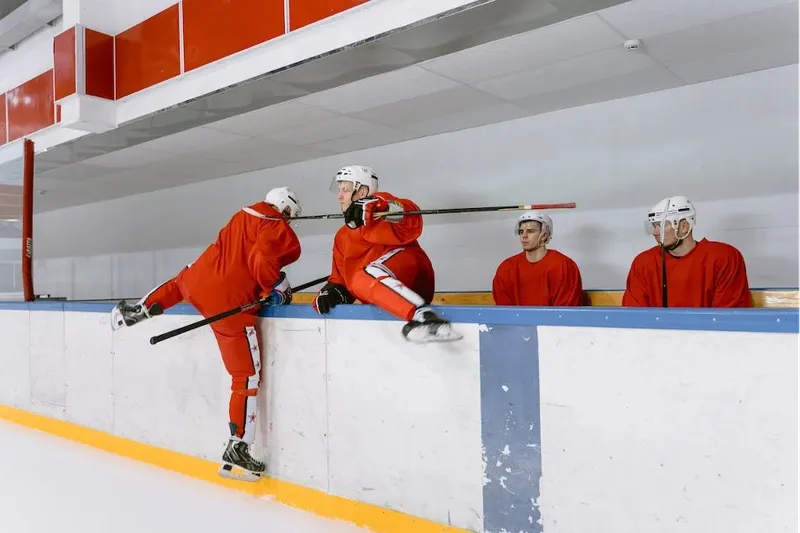
Substitutions are unlimited and can be made at any time.
A substitution does not require an official’s permission, or a stoppage in play.
A player can join the game “on the fly” – during the flow of play – as long as the departing player is within five feet of the bench and not involved in the play or with an opponent.
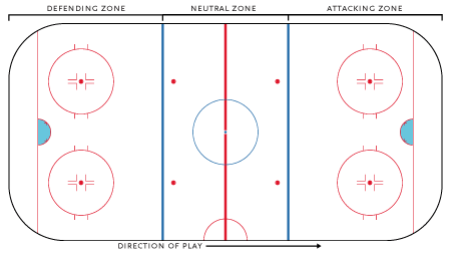
Rink "zones"
The rink is divided into zones by a red line at centre ice and two blue lines.
Defending Zone - The area where the goal net is located for the team defending that net.
Neutral Zone - The middle of the rink, between two blue lines.
Attacking / Offensive Zone - The area where the opposing net is located.
The face off
The game begins when the referee drops the puck between two opposing forwards.
The faceoff is used to resume play following any stoppage in the game.
There are nine designated faceoff spots painted on the ice.
The game clock
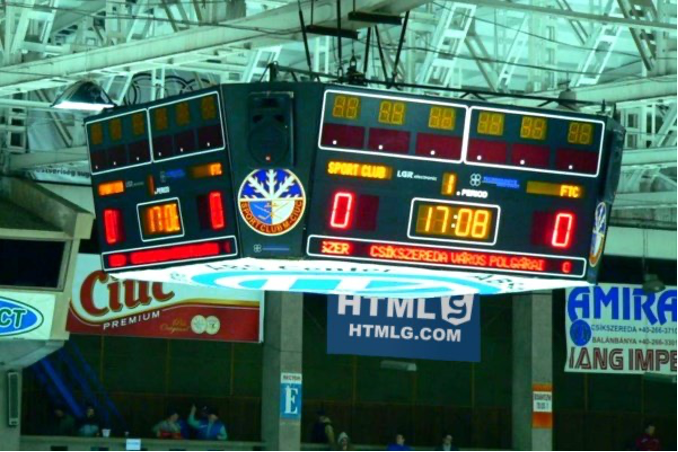
The game is played in three 20-minute periods.
The clock is stopped during all stoppages in play, for example, if a penalty is called or a netminder makes a save.
The puck stick and net
The Puck
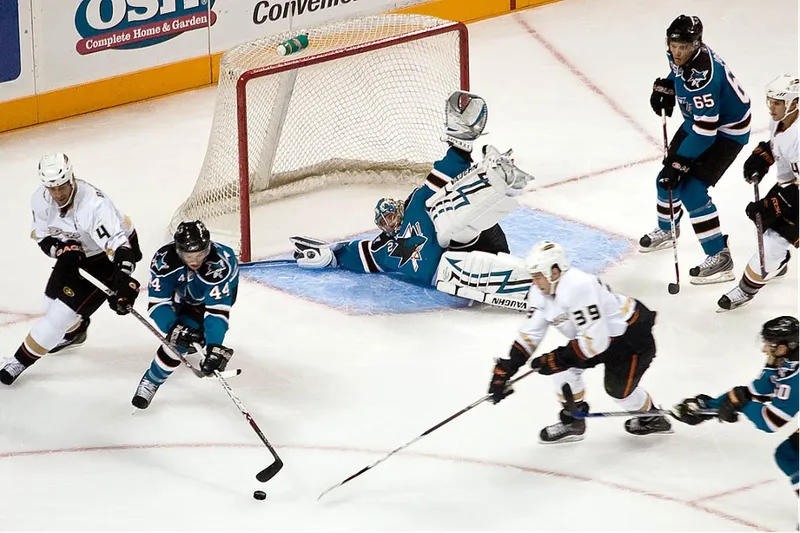
The puck is made of black, vulcanized rubber.
A standard puck measures one inch thick and three inches in diameter, and weighs between 5.5 and 6 ounces.
The puck can be moved with the hockey stick or the feet but picking it up with the hands is illegal.
The Stick
A stick is held by each player and used to retrieve, control, carry, pass and shoot the puck.
Goals are scored by using the stick to shoot the puck into the opponent’s net.
A shot that inadvertently deflects into the net off another player’s body is allowed to stand as a goal.
The Net
A cage measuring four feet tall and six feet wide, strung with nylon mesh in the back.
There are two nets at opposite ends of the ice, guarded by the goaltenders.
Getting started
What is England Ice Hockey?
England Ice Hockey is the National Governing Body for ice hockey in England and Wales. Its purpose is to promote and provide opportunities for people of all ages to take part in the exhilarating sport of ice hockey. England Ice Hockey is run by members and who are all involved in ice hockey.
What is ice hockey?
It's the fastest team sport on the planet. It's a sport built on discipline, respect, teamwork and speed. Hockey players need skill, determination and bundles of energy to compete in this exhilarating sport.
Hockey is great to watch but it is even better to play. More than 2 million players, both male and female, play ice hockey for fun and enjoyment. Your local England Ice Hockey affiliated club will have everything needed to get you started.
Why get involved?
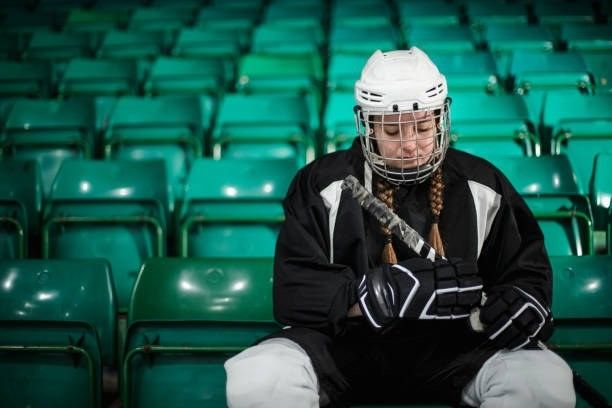
There are numerous benefits for children who play ice hockey; improvements in fitness, strength, co-ordination and agility as well as development in confidence, sportsmanship and self-esteem.
Most importantly, children will have fun in a positive, healthy and safe environment. The skills learnt at the rink will reinforce those skills learnt at school and at home. We think of these skills as life skills.
Is ice hockey for you?
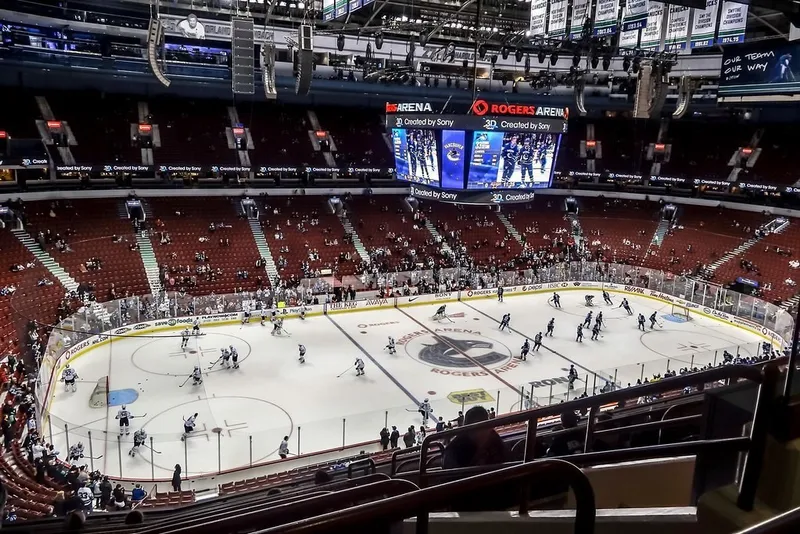
Ice hockey is a mixed sport which is inclusive to all members. All junior team are mixed up until senior age (over 18).
Female only teams start from U16 and progress to U18 then Senior Females.
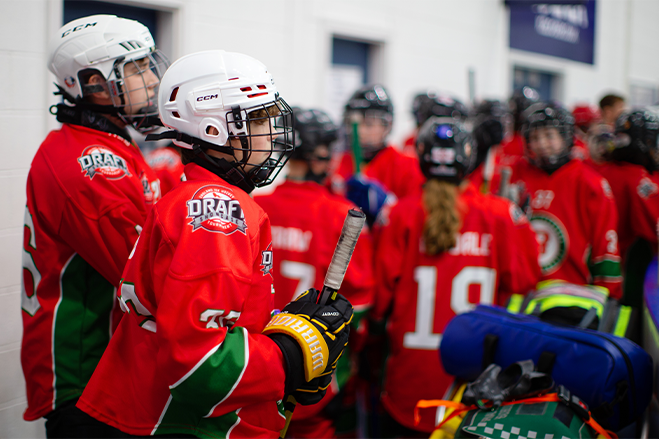
There are also a large group of reactional teams across the country who train and play friendly matches throughout the year.
England Ice Hockey provides pathways for all types of players, whether you're the next Crosby or just want to have some fun with friends, we have you covered.
What is the first thing I need?
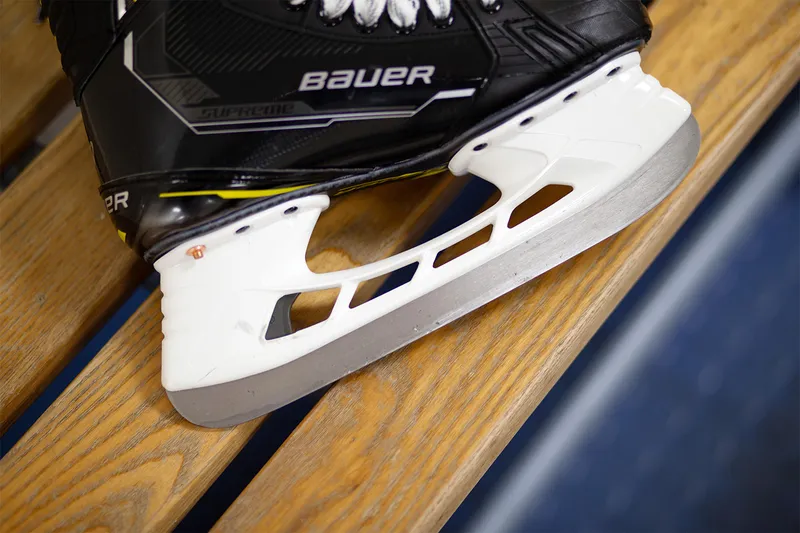
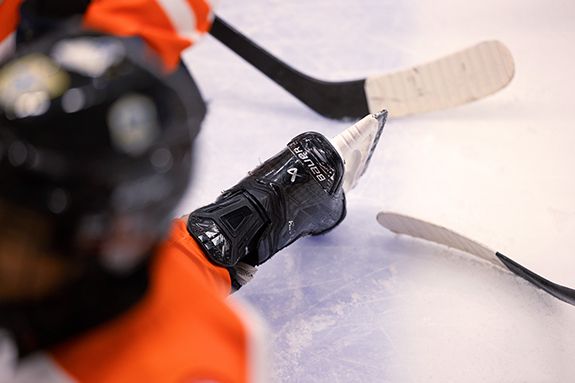
The first thing you need is a pair of ice hockey skates and the key point is that they need to fit properly. When you try ice hockey skates for the first time they will feel strange. They are not worn like other footwear, they need to fit snugly and should be tied tightly so your feet are fitted firmly in the boot. A good fitting skate will not pinch your foot and will provide just enough room for growth (usually 1 finger width).
Before you buy the wrong skates why not go and talk to staff at the rink and find out as much as you can about skates and equipment - you'll be glad you did.
What does ice hockey equipment cost?
As a guide you should be able to get started with full kit for around £200. This figure can increase depending upon the size of your child and also the type of equipment that is best for you.
We would always recommend the use of recycled kit and searching auction and retail websites for end of line bargains. When you step on to the ice we want to help make sure you are safe and the best way for us to do that is to make sure that you know about using only the correct equipment for you and that it fits you properly. Do not take short cuts where your child's safety is concerned.
What equipment do I need?
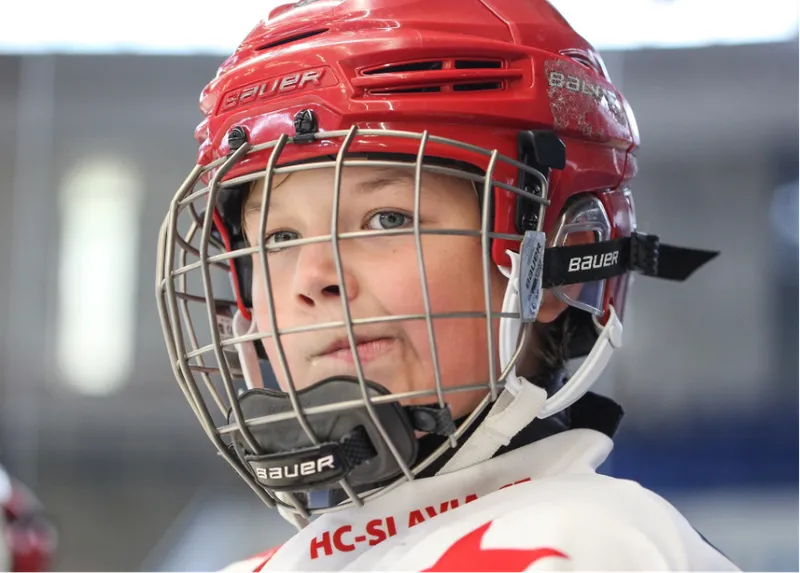
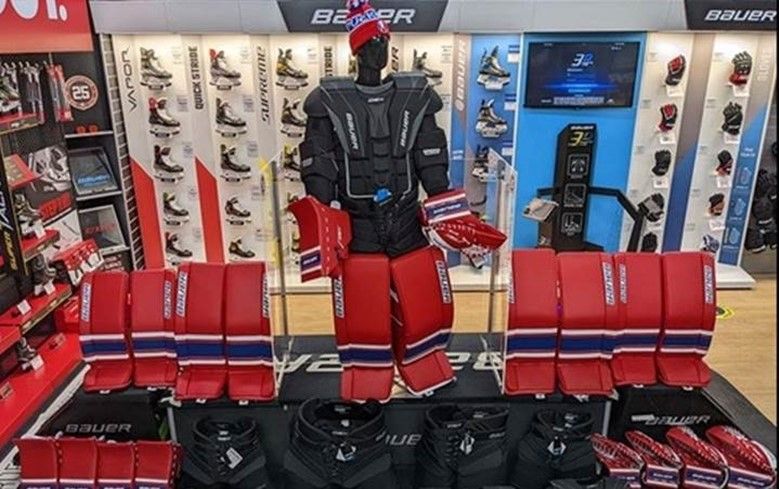
At the beginning you only need basic kit and protective equipment for the Learn to Skate course. The basic equipment package consists of gloves, elbow pads, neckguard and shin guards as well as your own ice hockey skates.
Part of our environmental policy is concerned with the re-cycling of ice hockey kit which helps new and existing players in equal parts as well as helping the environment.
Ask at your local club to see how they can help you get started, they have previosuly owned equipment you can borrow, loan or buy which may be perfect to get you started.
Skating!
Once you have your hockey skates you will need to practice skating.
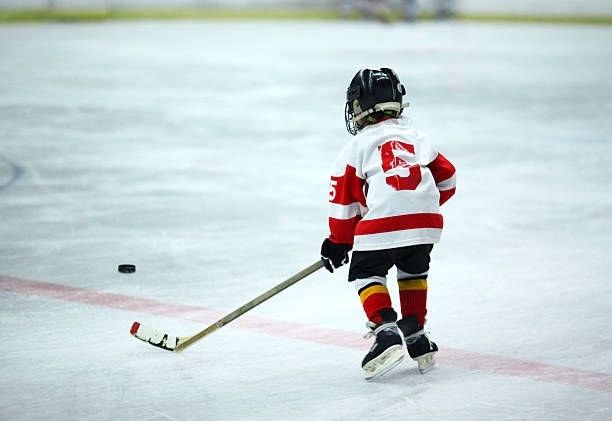
For every hockey player, regardless of the position they play, skating is EVERYTHING. At EIH, we believe that a player can always improve their skating.
So, our message is simple; you need to skate as much as possible and most rinks have plans to help you skate regularly. Join up your skating practice with the rink's Learn to Skate programme and you are well on your way!
Pathways: Learn to Skate and Learn to Play
There are two main pathways be before players enter into the junior leagues
1. Learn to Skate
2. Learn to Play
Learn to Skate is an essential programme as before you can play ice hockey you will need to be able to skate. Each rink has its own Learn to Skate programme and we would recommend continuing to develop your skating even if you're ready to play ice hockey as this is a fundamental skill.
There is no requirement to take part in Learn to Skate before you move onto Learn to Play which is specific for ice hockey, but we do not recommend this and would advise working up to Level 5 skating before entering Learn to Play.
Learn to Play are run independently of EIH and are usually run by the ice rink or sometimes the club. The programmes that are run by the ice rinks are not directly linked to junior clubs meaning there is no direct pathway to the clubs. The programme gives you the basic skill to become a competitive hockey player, but we would recommend contacting your local club and making them aware of your interest.
Price guide
Price list of equipment – Youth Player/Junior - Ice Hockey Player Equipment: Ice Hockey Skates, Sticks, Pads & More (puckstop.com)
- Helmet - £88
- Neck Guard - £41
- Shoulder Pads – £44
- Elbow pads - £22
- Gloves - £46
- Shin Guards – £37
- Skates – £63
- Composite Sticks - £67
Protective starter kits – Starter Kits | Puckstop
Protective starter kits are great for starting out, they give you the basic equipment to get started but you will still be required to buy some other essential equipment.
All prices above are from the website, you may find alternative prices or discounted products in store.
- Range from £110 - £189
Protective starter kits are great for starting out, they give you the basic equipment to get started but you will still be required to buy some other essential equipment.
All prices above are from the website, you may find alternative prices or discounted products in store.

FAQs
How old do I need to be to get started?
- Generally, we say the sooner you start the better, but kids just need to be able to stand-up on the ice and take instruction from the coaches. We have children as young as 4 years old playing ice hockey at some of our clubs and we have a special programme specifically for Under 10’s which is always great fun.
But I can't skate!
- Every ice hockey player has had to learn how to skate before they could play ice hockey. It is a good idea to go to the ice rink to try skating at least once before you join our Learn to Skate programme so that you have some idea if you would like to play or not.
How should I get into ice hockey?
- You should start by joining the Learn to Skate programme at your local ice rink.
- This will be the start of your ice hockey journey. As you develop your skating skills you will earn grade badges and certificates with your progress.
- When you reach a suitable standard where you can skate unassisted, you can stop safely on the ice then you should consider joining a Learn to Play ice hockey programme and you will then be on your way to becoming an ice hockey player!
I am not sure if I want to play competitive ice hockey, what are my options?
We understand it can be a rather daunting task for older kids who want to get involved in ice hockey when they lack confidence due to inexperience. Players who come to ice hockey after playing other sports often need to catch-up the players who have already completed a few seasons and we have an opportunity for these kids too.
The EIHA Train-Only option allows players to join one of the EIHA clubs and take part in team training sessions without the pressure of having to play in matches, allowing players to gain confidence as they develop their skills in a team environment is a great way to learn while they play.
How might I progress?
Once you have joined one of our club teams you may eventually be selected for a league team to play in a match in one of the England Ice Hockey junior leagues, all played domestically.
From here, there are options to be selected for Showcase trials (equivalent to county level ice hockey), and then even the England National Team Programme (ENTP), where you can travel abroad and compete internationally.
What are the age groups?
AGE GROUPS 2023/2024
- U10 2014 & LATER
- U12 2013– 2012
- U14 2011 – 2010
- U16 2009 – 2008
- U18 2007 – 2006
1st January to 31 December
Ice hockey really is an adventure and we're looking forward to helping you begin your journey with us!
Junior ice hockey
England Ice Hockey offers playing opportunities for juniors to be part of a team and play in a league or to take part Learn to Play sessions.
We offer opportunities across England and Wales for children from U10 to U18. Our U10s play cross-ice matches against other local teams, and all other age groups offer regional leagues in which players can participate.
If you’re brand new to ice hockey, we recommend contacting your local club to find out about their Learn to Play sessions where you can get started and learn all the basics before trying out for a team.
Senior ice hockey
There are various opportunities for players over 18 to get involved. England Ice Hockey run men’s senior leagues which extend all the way to semi-professional leagues, women’s senior leagues, as well as Recreational opportunities, and inclusive ice hockey through our Para and SEND ice hockey sections.
Recreational ice hockey
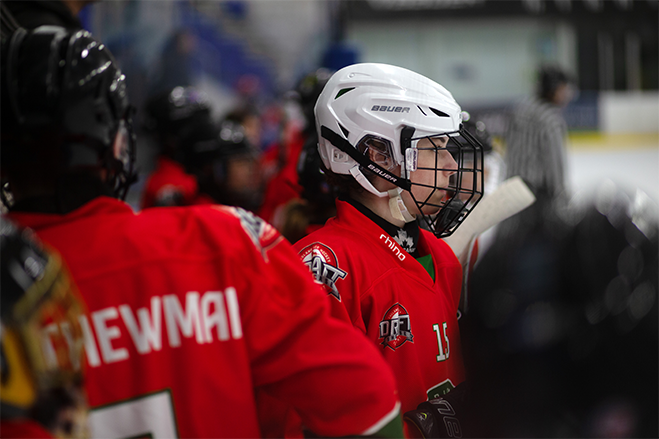
‘Rec’ is your chance to play ice hockey in a community based setting. We have lots of clubs across the country that offer adults the chance to stay involved in the sport even if they don’t want to play at league level.
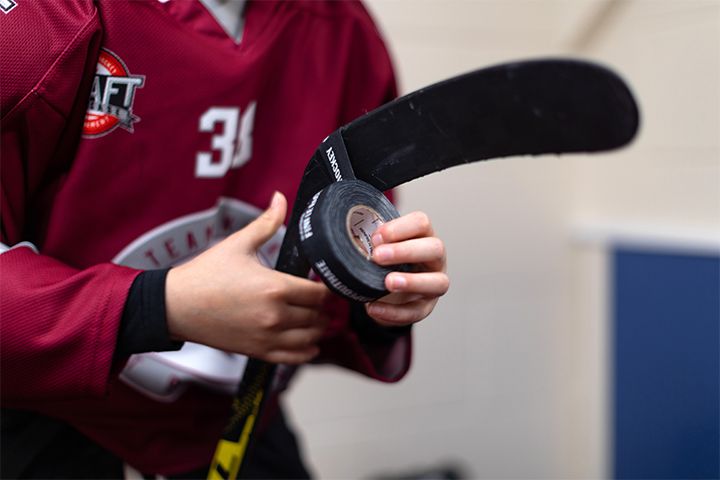
Get involved with the Rec section directly here:
Para ice hockey
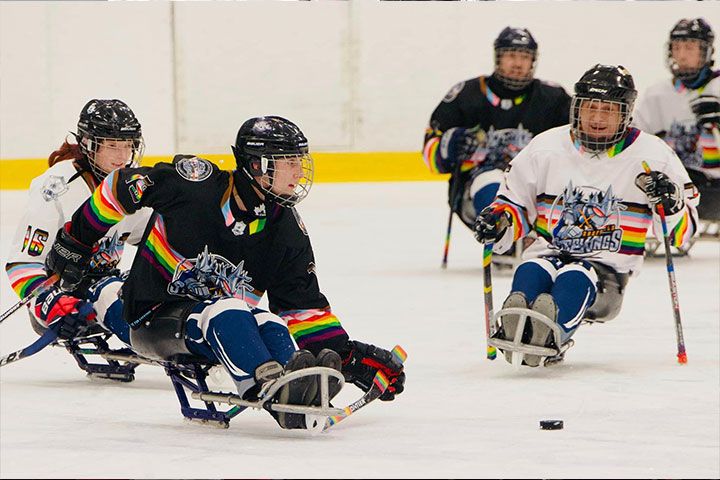
Since its debut at the Lillehammer 1994 Winter Games, the Paralympic version of ice hockey has quickly become one of the largest attractions for spectators. It is fast-paced, highly physical and played by male and female athletes. At a league level in the UK the sport is played by both Disabled and Able Bodied players on the same team. At an international Paralympic level, it is played by players with a physical impairment in the lower part of the body.
It follows the rules of the International Ice Hockey Federation (IIHF) with modifications. Instead of skates, players use double-blade sledges that allow the puck to pass beneath. Players use two sticks, which have a spike-end for pushing and a blade-end for shooting.
SEND hockey
What is SEND Ice Hockey?
Unlike mainstream adult and junior league hockey, SEND ice hockey caters for children and adults of differing ages and abilities who have developmental disabilities. SEND hockey is non-contact, non-competitive and focuses on improving health and well-being.
Who can benefit from joining a SEND hockey club?
- Children, Young people and Adults with;
- Autistic Spectrum Disorders
- Downs Syndrome
- Asperger Syndrome
- ADD /ADHD & Dyspraxia
- Other Learning and Developmental disabilities.
What are the benefits of joining a SEND hockey club?
- Fun! Fun! Fun!
- Social Interaction, friendship and reduced social isolation
- Increased self confidence and self-esteem
- Improved physical fitness and overall health and well-being
- Whether you are new to the sport or already playing ice hockey elsewhere with a disability but need additional support, SEND hockey provides a safe environment where players can thrive and progress at a pace that suits them.
How to join
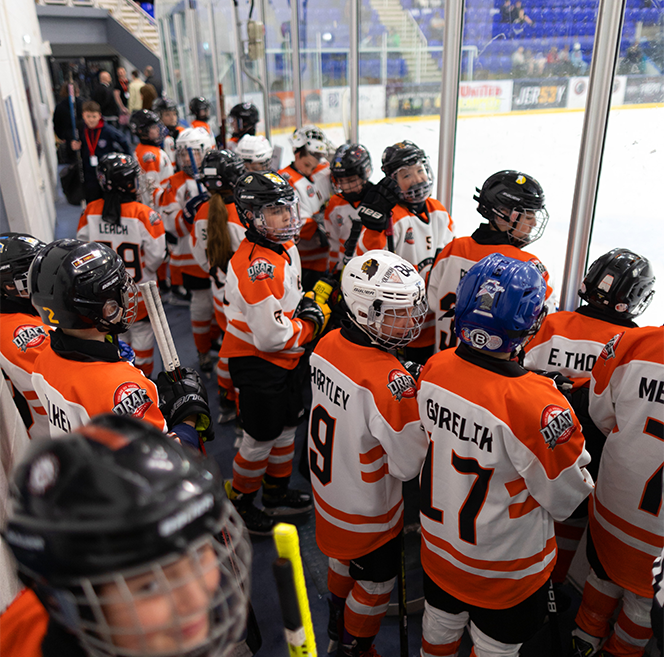
All individuals must follow their affiliated club’s membership process and then register with England Ice Hockey via their club. Registration will be accepted following the submission of any required documents, such as ID, and approval from England Ice Hockey and its affiliated club.
Clubs are accessible and friendly environments providing a range of ice hockey opportunities to meet your needs, from junior and senior hockey, to recreational (casual) opportunities and clubs dedicated to meeting the needs of Para and SEND participants.
Whether you’re interested in pursuing ice hockey semi-professionally, want to play for fun, or want to volunteer as a coach or off-ice official, our opportunities and variety of clubs aim to make sure ice hockey is accessible to all.
As every club is unique and has its own fees, rules and regulations, we recommend contacting them directly to see how they can meet your needs.
For full details of registration costs, benefits and terms and conditions, please see our Get Involved page.